
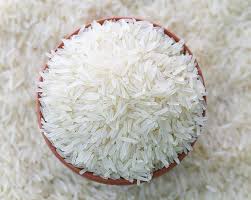
India’s rice exports stagnant as market faces slow demand
Indian rice export prices were little changed this week, pressured by sluggish demand from buyers in Africa amid a depreciation of the rupee to a record low.
India’s 5% broken parboiled variety was quoted this week at $333-$340 per ton, unchanged from last week. Indian 5% broken white rice was priced at $335 to $340 per ton this week.
Indian prices are the lowest among key rice exporting countries but still export demand is not picking up, said a New Delhi-based trader.
The rupee fell to an all-time low, pressured by stubbornly high oil prices and persistent portfolio outflows that have strained the current and capital balances of Asia’s third-largest economy.
Vietnam’s 5% broken rice was offered at $395-$400 per metric ton on Thursday, unchanged from a week ago.
“Domestic supplies are getting thinner, but we are concerned about the Philippines’ move to impose a ceiling price on imported rice,” a trader based in Ho Chi Minh City said.
“The Philippines remains Vietnam’s key rice buyer and any move it makes will have an impact,” the trader added. Traders said the price increase was driven mainly by millers holding back sales amid firmer domestic sentiment.
Demand remains relatively quiet, with no major deals reported, although regular customers from Hong Kong and African markets continued to place small orders, a Bangkok-based trader added.
Supply conditions in Thailand were largely unchanged, as the new crop is currently being planted during this period and the market is waiting to see the size of the upcoming harvest in the coming months.
In Bangladesh, rice prices have remained elevated as heavy pre-monsoon rains threaten to wipe out more than 200,000 metric tons of rice, raising fears of further increases.
Elsewhere, BMI, a unit of Fitch Solutions, on Wednesday noted that it expects the global rice market to largely remain in surplus through to 2030, although weather-related volatility will continue to pose downside risks to output in individual seasons.
This article has been republished from The Economic Times.