
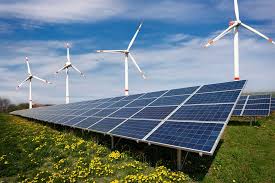
Delhi: Govt approves first floating solar power project at Bawana power plant
With a focus on expanding clean energy generation, the Delhi government has approved its first floating solar power project at the Bawana power plant, an official said on Tuesday.
The project, estimated to cost around ₹5-6 crore, will come up on water bodies within the plant premises and is expected to generate 2–3 MW of electricity, the official said.
A floating solar power plant comprises a movable platform on the water surface and photovoltaic cells (panels) that generate clean energy from sunlight.
The project will be developed across two ponds spanning nearly 4 acres within the Bawana plant. These ponds are fed with treated water supplied via pipeline from the Rohini sewage treatment plant and used for condenser operations. By installing solar panels on these water surfaces, the government aims to optimise unused space while boosting renewable energy output, the official said.
The official said a tender for the project will be floated soon. The technique has already been adopted in states like Telangana and Andhra Pradesh.
If successful, the official said, the model could be scaled up across other natural and artificial water bodies in Delhi.
According to experts, floating solar systems offer dual benefits: they not only generate electricity but also reduce water evaporation, thereby improving water conservation.
The Delhi government has been pushing for the adoption of rooftop solar plants in the city. According to the government’s solar policy, 4500 MW of solar power is targeted for March 2027.
In an attempt to curb water losses and improve security, the Delhi government had announced that it was exploring plans to cover the Munak canal with solar panels. The project was in the planning and feasibility assessment phase and aimed to curb massive water losses, generate clean electricity, and enhance safety and cleanliness along the canal.
This article has been republished from the Hindustan Times.