
India discovers lowest price for green ammonia at ₹49.75 per kg
By Nandini Keshari
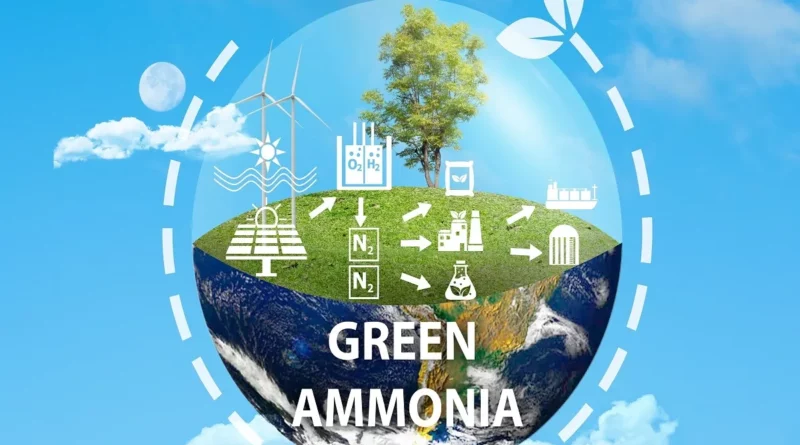
India has discovered the lowest price for green ammonia at about ₹49.75 per kilogram in a competitive bidding process conducted by the Solar Energy Corporation of India (SECI), which allocated a capacity of 724,000 tonnes per annum (tpa) to developers, including NTPC Renewable Energy, Jakson Green, Acme Cleantech Solutions, Oriana Power, and SCC Infrastructure. The supply is linked to 13 fertiliser units.
Green ammonia purchase agreements (GAPAs), signed on Monday, have a tenure of 10 years. Minister for New and Renewable Energy Pralhad Joshi said, “They provide long-term demand certainty and enable investment at scale.”
The minister said the green ammonia supply agreements will save billions of dollars in foreign exchange (forex). “By replacing imported grey ammonia in non-urea fertilisers, this initiative will save India nearly $2.5 billion in forex over the next decade,” he said. India currently imports 2.8 million tonnes of grey ammonia for non-urea fertiliser units.
He added that the fertiliser sector remains crucial as it is central to India’s agricultural and food security. “It also depends heavily on imports of natural gas, ammonia, or finished fertilisers such as urea and diammonium phosphate,” he said.
National Green Hydrogen Mission Director Abhay Bakre said, “This is one of the largest tenders in the world, supplying 25 per cent replacement of grey ammonia for our non-urea fertiliser units.”
Under the agreement, one of the developers, Acme, will establish a green ammonia facility in Odisha to supply 370,000 tpa to six major fertiliser facilities across five states on the eastern and western coasts of India.
Commenting on the GAPA signing, Anil Taparia, chief operating officer of the green hydrogen and ammonia business at Acme Group, said, “This agreement, a result of the Government of India’s vision to strengthen energy security in the fertiliser sector, represents a defining step in demonstrating commercial-scale green ammonia production and offtake viability at a competitive cost.”
On the occasion, Joshi also said India is one of the fastest-growing renewable energy markets and that the next phase of the transition will involve transforming sectors such as fertiliser, refinery, steel, and heavy transport, where dependence on fossil fuels is highest.
Highlighting India’s self-sufficiency in the fertiliser sector, Minister for Chemicals and Fertilizers J P Nadda said, “We are self-sufficient as far as fertilisers are concerned, and there is no need for our farmers to be afraid.”
This article has been republished from The Business Standard.