
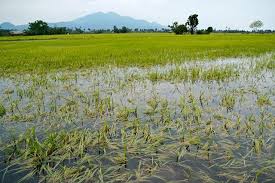
Early sown paddy destroyed in Haryana’s Karnal
By Parveen Arora
The Agriculture and Farmers Welfare Department has intensified its campaign against the early transplantation of paddy and destroyed a paddy nursery spread over 12 acres of land in Karnal district on Thursday afternoon.
The action was carried out in Sangoha and Ramba villages under the supervision of police and a duty magistrate by the department after the violations of the Haryana Preservation of Subsoil Water Act, 2009 (HPSWA).
Officials confirmed that notices had been served to farmers urging them to destroy the early‑sown nurseries themselves, but when they failed to comply, the department sought police protection and a magistrate to enforce the ban.
Nurseries of farmers Joga Singh (2 acres, Ramba), Rajiv (7 acres, Sangoha), Karambir (1 acre, Ramba), and Lovepreet (2 acres, Sangoha) have been destroyed. All had raised paddy nurseries in violation of the Act.
As per Deputy Director Agriculture (DDA), Dr Wazir Singh, the HPSWA prohibits sowing of paddy nurseries before May 15 and transplantation before June 15.
Violations can lead to crop destruction, fines of Rs 10,000 per hectare per month, and recovery of destruction costs from the farmer. The ban aims to conserve groundwater, which is declining at an alarming rate.
Early transplantation consumes nearly three times more water than paddy transplanted after June 15, as high summer temperatures cause rapid evaporation and farmers rely heavily on tubewell irrigation.
“We advise farmers not to plant early paddy as it is a water guzzler. Cultivation of early paddy also contributes to stubble burning, since farmers attempt to harvest two crops in a short duration,” said DDA.
He said that to educate farmers about this step as well as to enforce the Act, they have constituted block-wise teams. The campaign will continue until June 15, with strict vigilance across the district.
Teams comprising Sub-Divisional Agriculture Officers, Block Agriculture Officers, Agriculture Development Officers (ADOs), and Supervisors have been deployed to monitor villages, destroy illegal nurseries, and educate farmers about sustainable practices.
Monitoring teams not only inspect fields but also educate farmers about alternatives such as summer moong and Dhaincha, which are promoted for green manuring, enrich soil health and reduce dependency on chemical fertilisers.
Farmers sowing Dhaincha and summer moong are eligible for an incentive of Rs 1,000 per acre, for which they have to register on the Meri Fasal Mera Byora portal.
He claimed that banning early paddy and promoting crop diversification will help reduce groundwater exploitation, improve soil fertility, and ensure long‑term water and food security.
This article has been republished from The Tribune.