
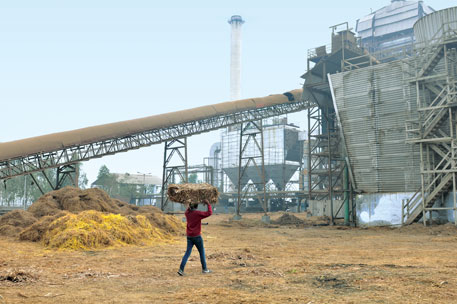
SAEL Industries Planning One GW Biomass Power Expansion Using Paddy Stubble
SAEL Industries Limited is planning a major expansion of its biomass power generation capacity, targeting one gigawatt (GW) over the next five years. The company will primarily focus on converting paddy stubble and agricultural waste into renewable energy as part of its long-term clean energy growth strategy. The planned expansion is expected to strengthen India’s renewable energy sector while also supporting large-scale crop residue management efforts.
Expanding Existing Paddy Straw-Based Operations
According to Laxit Awla, Chief Executive Officer, SAEL, the company aims to build on its existing biomass energy operations across northern India. Currently, SAEL operates 11 biomass power plants across Punjab, Haryana and Rajasthan, with a combined installed capacity of 165 MW. All these facilities use paddy straw as feedstock for electricity generation. The company has emerged as India’s largest producer of electricity generated from paddy stubble, positioning itself as a key player in the country’s waste-to-energy sector.
Expansion Planned Across Multiple States
As part of its next growth phase, SAEL plans to expand its waste-to-energy footprint into additional states, including Chhattisgarh, Andhra Pradesh, Madhya Pradesh and Uttar Pradesh. The company intends to establish projects in regions where paddy straw-based power generation is commercially and operationally feasible. In addition, the expansion strategy reflects SAEL’s broader objective of creating a nationwide biomass energy network that supports sustainable energy production and agricultural waste management.
Converting Agricultural Waste into Renewable Energy
SAEL’s biomass projects play a crucial role in addressing the growing challenge of crop residue burning, particularly in northern India. Instead of allowing paddy stubble to be burned in fields, the company collects and converts the agricultural waste into clean electricity. As a result, the projects not only generate renewable power but also help reduce air pollution, greenhouse gas emissions and environmental damage associated with stubble burning.
Supporting India’s Clean Energy Transition
The company’s planned 1 GW expansion aligns with India’s broader renewable energy and sustainability goals. As reported by thehindubusinessline.com, by increasing biomass-based power generation, SAEL aims to contribute to cleaner energy production while creating additional economic opportunities in rural and agricultural regions. Moreover, the initiative highlights the growing importance of biomass and waste-to-energy solutions in India’s evolving renewable energy landscape.
This article has been republished from The Chemical Industry Digest.