
Ethanol Push Saves India Rs 1.55 Lakh Crore In Oil Imports
India’s ethanol-blending programme has delivered significant benefits in foreign exchange savings and support for farmers, according to the government. Through blending ethanol with petrol, the country has reportedly saved around Rs 1.55 lakh crore in foreign-exchange, by reducing reliance on imported crude oil.
Since the programme’s earlier phases, ethanol blending levels have risen sharply. By July 2025, blending reached nearly 20 per cent of petrol use nationwide. This increase has not only helped cut crude oil imports, but also boosted rural incomes, as the industry has paid out significantly to distilleries and farmers involved in ethanol supply chains.
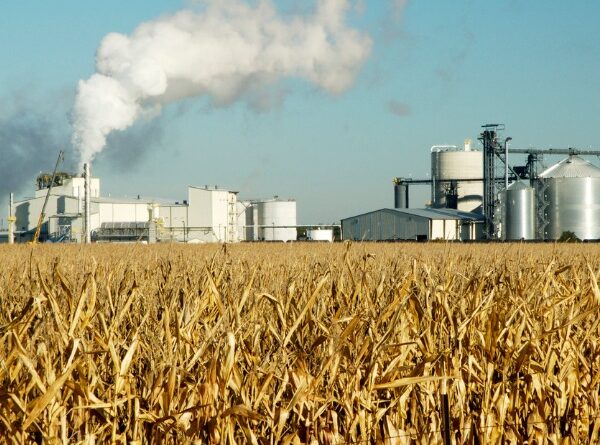
Apart from foreign-exchange savings, ethanol blending has generated substantial economic and environmental gains. Over the past decade, distilleries and suppliers have been paid amounts running into more than a lakh-crore rupees range, providing a strong incentive to produce ethanol from crops like sugarcane and maize. This growth has aided agriculture by giving farmers additional demand for their produce and helping stabilise surplus inventories of sugar.
The blending initiative has also enabled substitution of imported fossil fuels by domestically produced biofuel while contributing to carbon-emissions reduction, supporting India’s push toward energy security and sustainability.
Thanks to a set of supportive measures, including purchase price guarantees, reduced taxes, interest-subvention schemes, and expanded feed-stock supply, the ethanol-blending policy has gained momentum. Use of ethanol in petrol has expanded rapidly, making it a cornerstone of India’s clean-fuel strategy.
As the programme scales, its long-term benefits may include lower import bills, improved balance of payments, stronger rural income streams, and reduced environmental impact. For a country heavily dependent on oil imports, ethanol blending presents a sustainable pathway toward energy independence while promoting farmer welfare and ecological responsibility.
This article has been republished from The Business World.